

Our Pricing
Structure
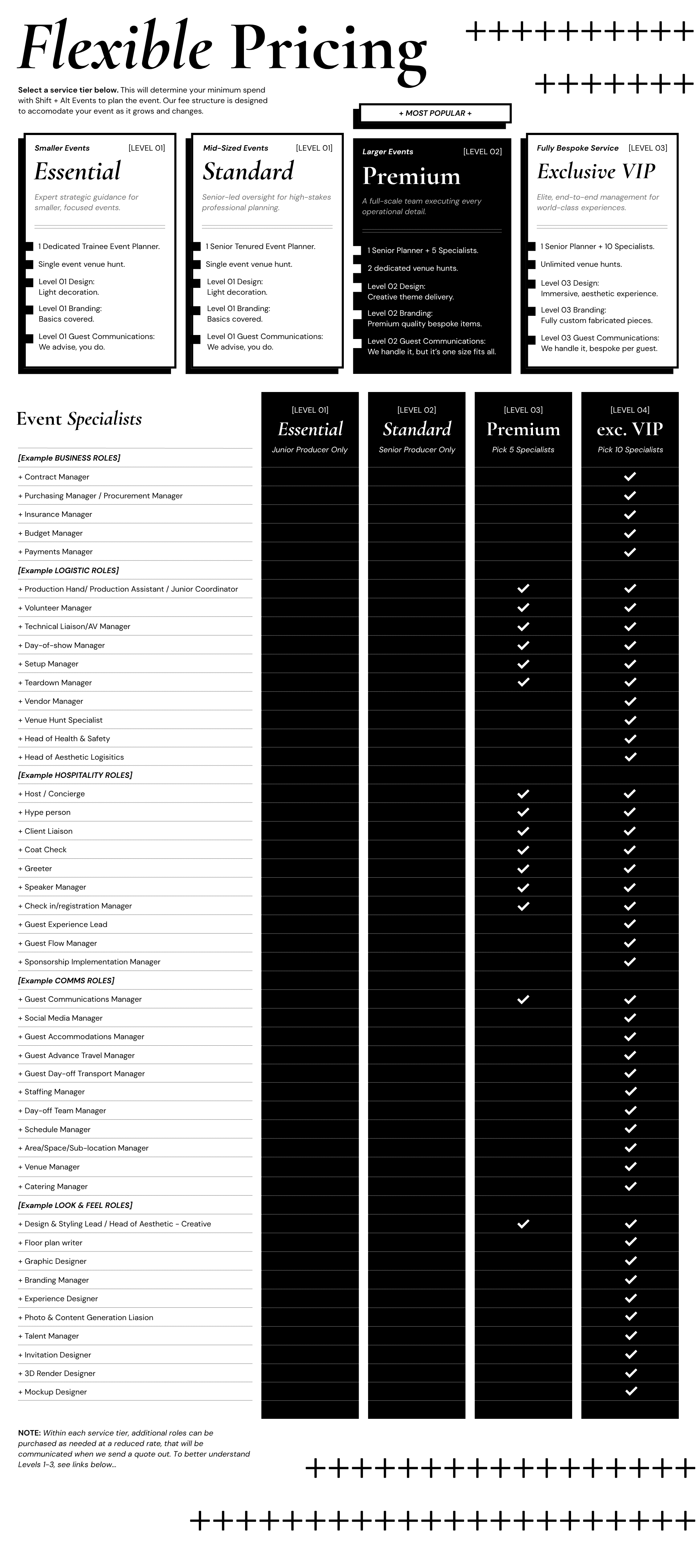
Level of service
Our levels of service reflect how deeply we support each area of your event. As the level increases, the work moves from foundational coordination to specialist execution and, ultimately, to full creative and operational leadership. This allows events to scale naturally depending on their complexity, production requirements, and guest experience goals.
-
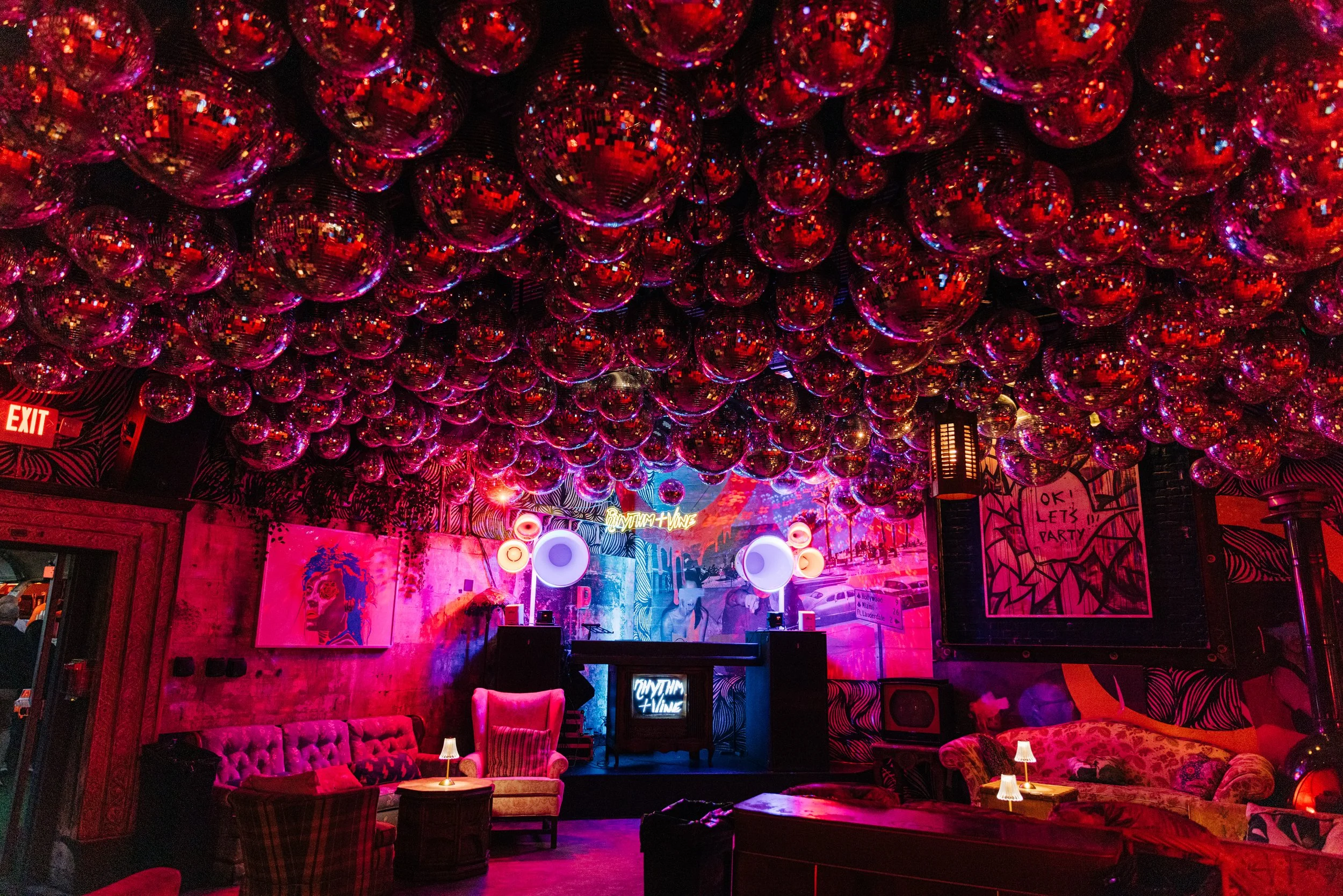
(Level 1-3) Event Design
Event design shapes the overall environment and visual experience of the event. This can include spatial planning, styling, creative direction, and the development of immersive elements that bring the concept to life. Depending on the level of support required, design can range from foundational styling and layout planning to fully developed environments with custom builds, renders, and detailed creative storytelling.
Example roles: Design Lead, Experience Designer, Graphic Designer, 3D Render Designer, Mockup Designer
-

(Level 1-3) Guest Communications
Guest communications focuses on how attendees interact with the event before, during, and after it takes place. This includes invitations, messaging, guest coordination, and on-the-day communication that ensures guests feel informed and well looked after. At higher service levels, this expands into a hospitality-driven experience with tailored communication, VIP management, and dedicated guest support.
Example roles: Guest Communications Manager, Social Media Manager, Guest Advance Travel Manager
-
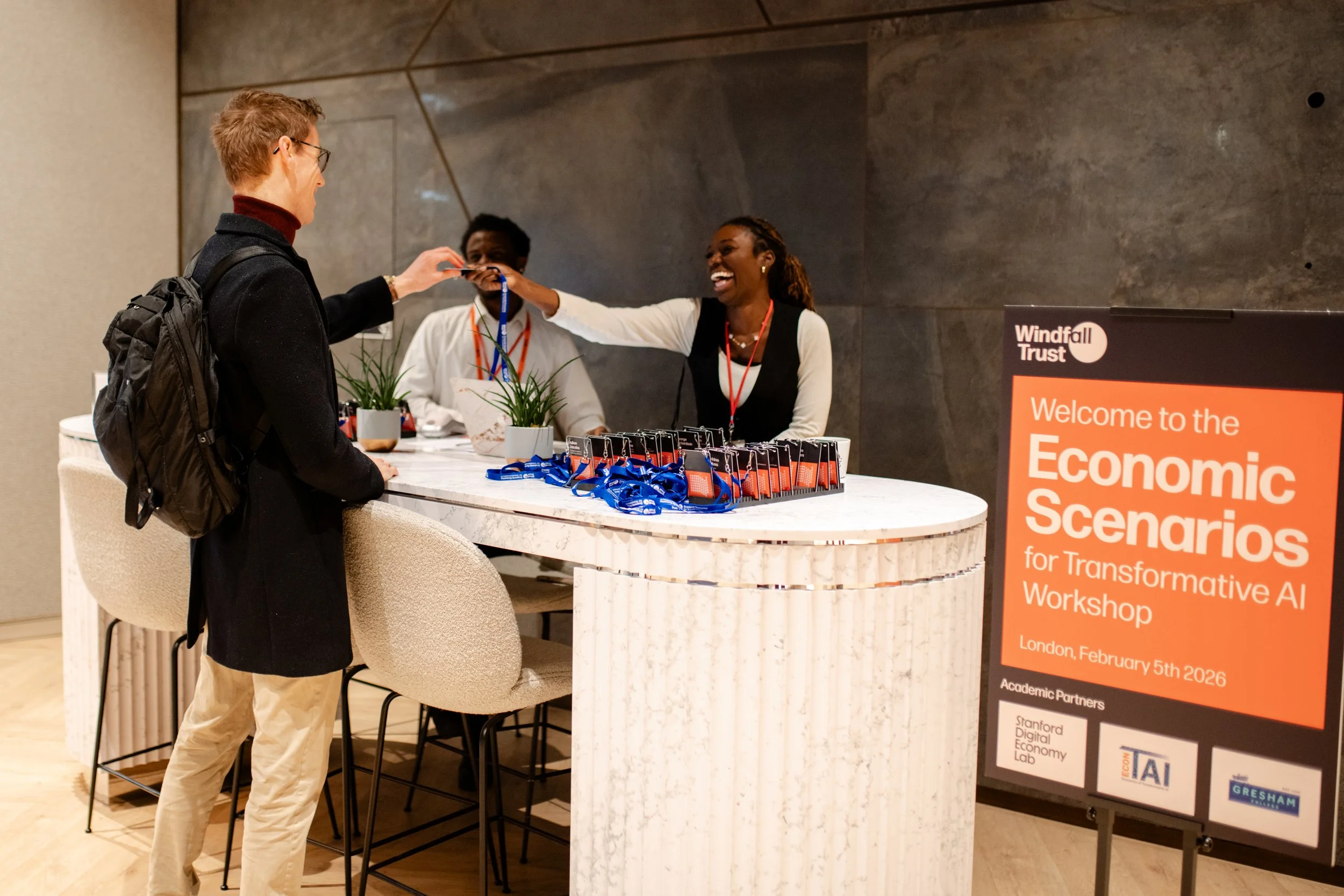
(Level 1-3) Event Branding
Event branding ensures the event has a clear visual identity and narrative. This can include the development of graphics, signage, printed materials, and brand storytelling across the event space and communications. As the level of service increases, branding becomes a more integrated creative strategy, connecting visual design, guest touchpoints, and the event's overall atmosphere.
Example roles: Branding Manager, Graphic Designer, Signage & Materials Specialist
-
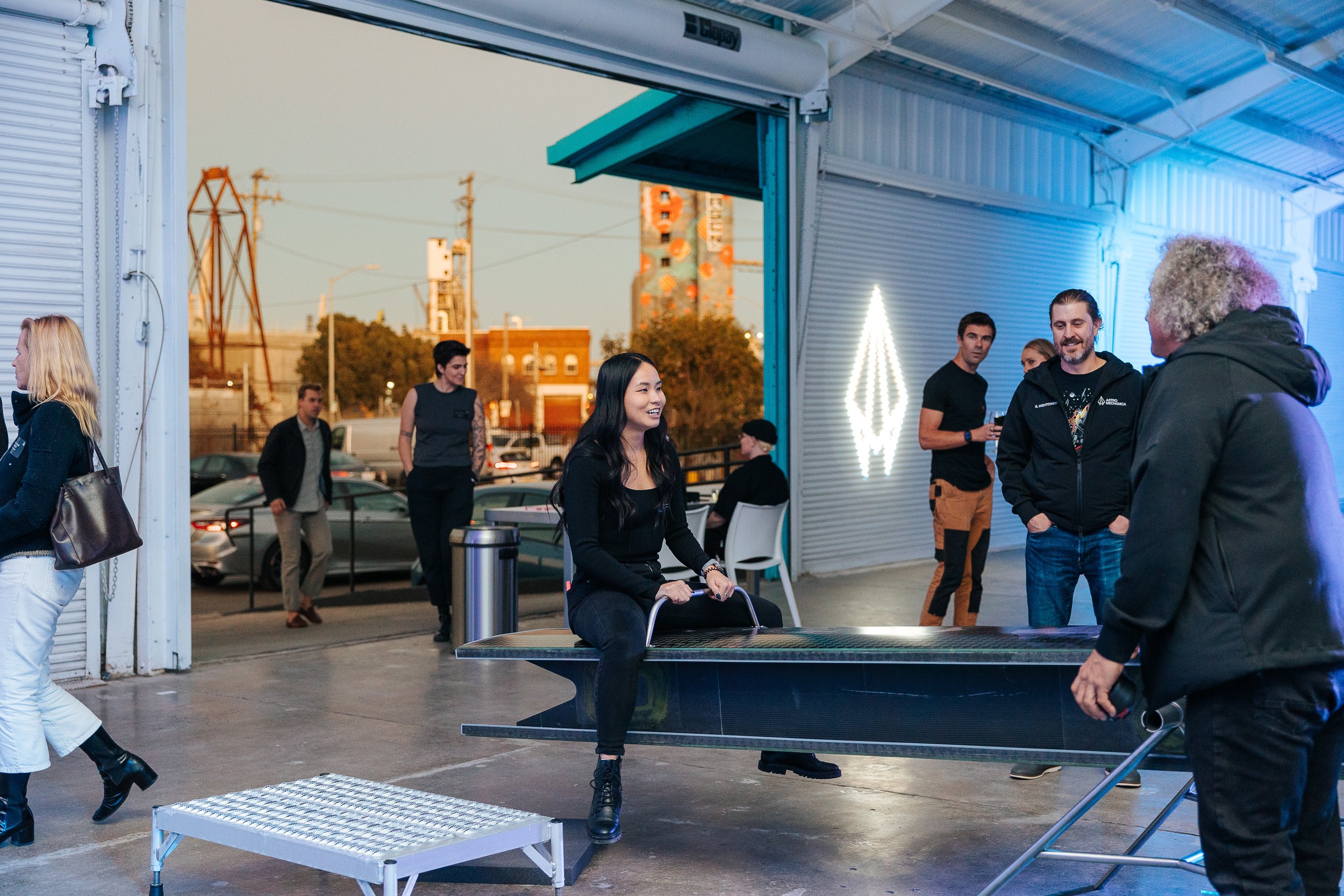
Venue Hunt
Venue sourcing focuses on identifying and securing the right space for the event. This includes researching venues, managing site visits, negotiating contracts, and ensuring the venue supports the event’s logistical and creative needs. At more advanced levels, venue strategy may include unconventional spaces, multi-location setups, and detailed planning around access, permits, guest flow, and production requirements.
Example roles: Venue Hunt Specialist, Venue Manager
